

Guides
Knowledge about aircraft paint
Instructions, answers and terminology — everything for your paint finish in one place.

Instructions
Practical instructions for preparing and building up a modern multi-layer paint system.
Question not covered?
Our Service Team is happy to answer your questions on paint build-up, application and colour — by phone, email or WhatsApp.
To the Service TeamFrequently asked questions
Answers to the most common questions about painting — from preparation and drying times through to storage, colour and spray-gun settings.
01Priming and adhesion
How do I avoid adhesion problems when painting?
The surface to be painted must always be dry, clean and free of grease. Clean it thoroughly beforehand with silicone remover. On difficult substrates such as plastic, composites (GRP / CFRP) or non-ferrous metals, use the appropriate adhesion primer.
Do I always need an adhesion primer on bare aluminium?
Yes. Bare aluminium offers the base coat no lasting adhesion and is prone to corrosion when unprotected. A suitable adhesion primer is essential when painting on bare metal.
02Drying and durability
Why is the intermediate flash-off time necessary?
To prevent runs from forming, allow a flash-off time of at least 20 minutes between each coat of paint.
How long does base coat take to dry?
At an optimal film thickness the drying time is approximately 60 minutes — depending on the coat applied and on the object and ambient temperature. If the base coat was applied more thickly, the time increases accordingly. It is best to let it dry overnight before the clear coat follows.
What does touch-dry mean?
The surface of the paint layer has dried, but the coating as a whole has not yet cured all the way through. This state is described as touch-dry.
When can a paint finish take a load?
A paint finish can take a load once it has cured all the way through — after at least 12 hours. Drying overnight is ideal.
What is a chemically drying paint (2K)?
Drying takes place through a chemical reaction with a second component, the hardener. Once fully cured, these paints are very robust, weather- and UV-resistant, and are not dissolved by fuels or most chemicals.
What is a physically drying paint?
Paints whose drying process is based on the evaporation of the solvent. Once it has evaporated the colour pigments remain on the surface. The paint can be re-dissolved with solvents such as acetone or universal thinner.
03Runs, orange peel, blistering
How do I avoid “orange peel” when painting?
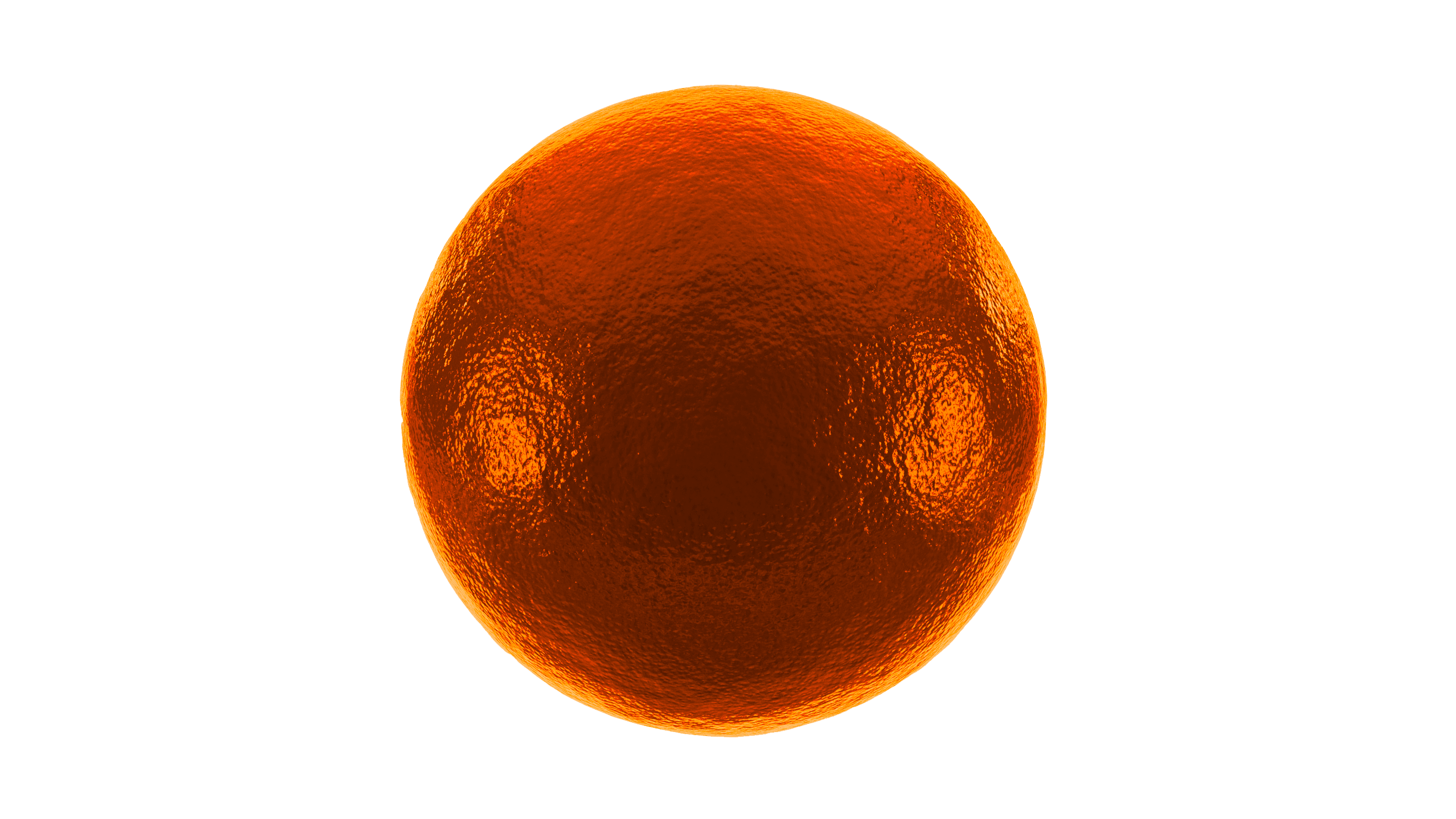
It can be avoided by keeping a constant spraying distance of 15–25 cm at around 20 to 25 °C. If the spraying distance is too great, overspray forms — paint that has already dried in the air, settles on the surface and no longer flows out.
How can I avoid runs?
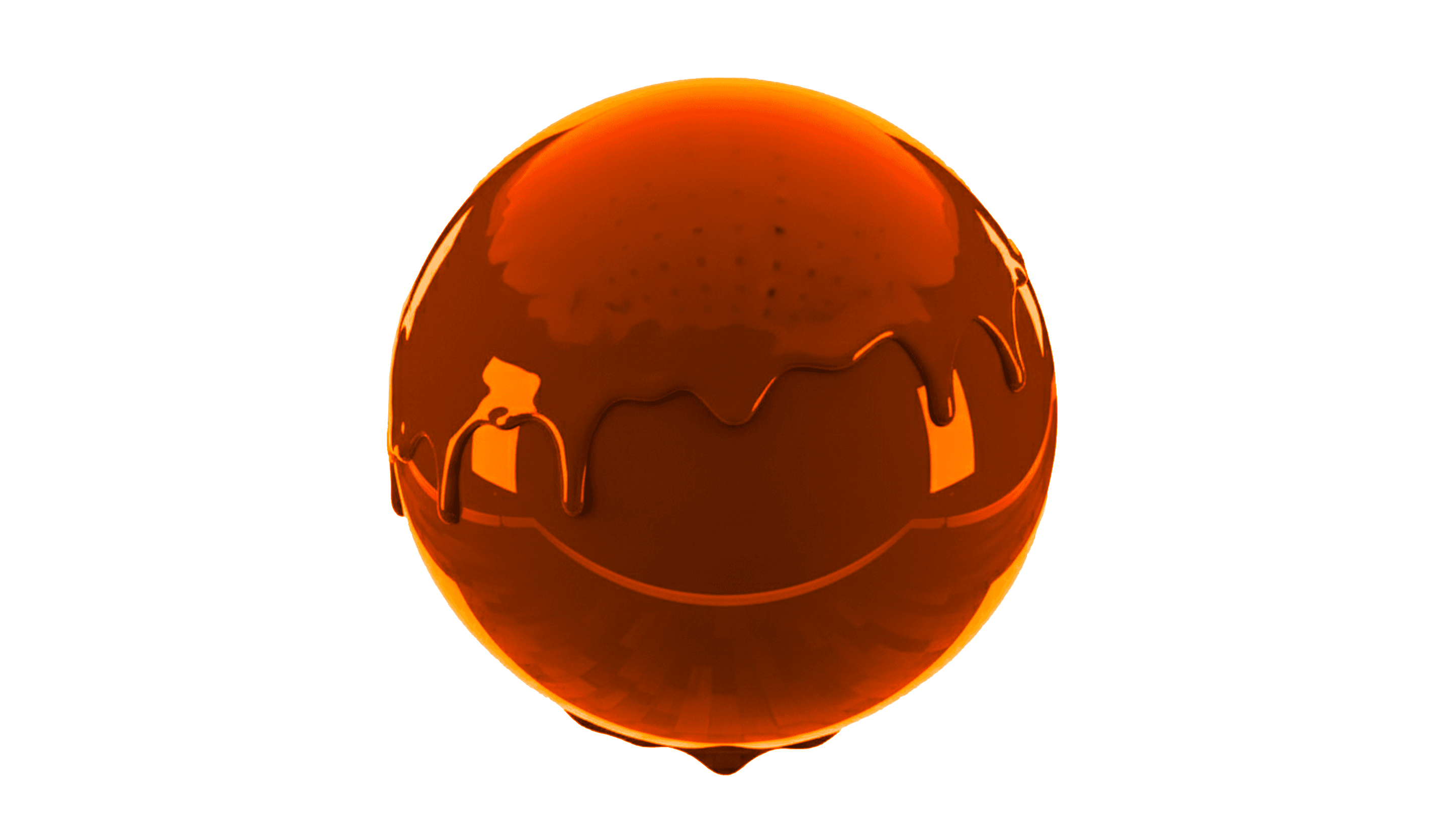
Allow at least 20 minutes of flash-off time between each coat, keep a spraying distance of 15–25 cm and do not apply the paint too thickly in one pass. Several thin coats beat one thick one, in passes overlapping by ⅓.
Why does the paint stay tacky and not dry out?
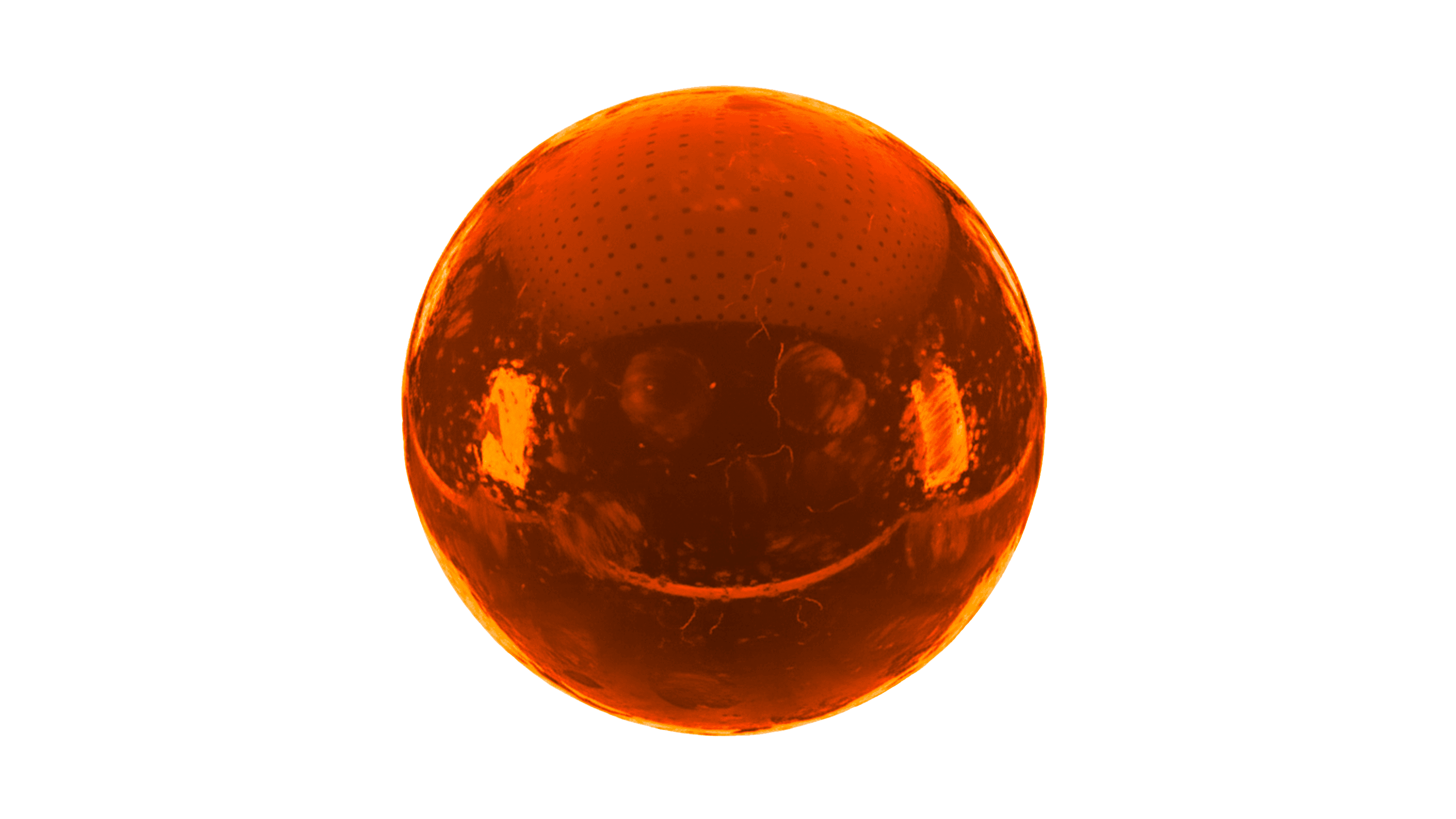
At temperatures that are too low the paint does not dry out: below 20 °C the solvent evaporates far more slowly. The most common reason, however, is too thick a paint build-up — with painting, less is more. Mistakes in surface preparation cannot be covered up this way.
Why is my paint finish rough and lacking gloss?
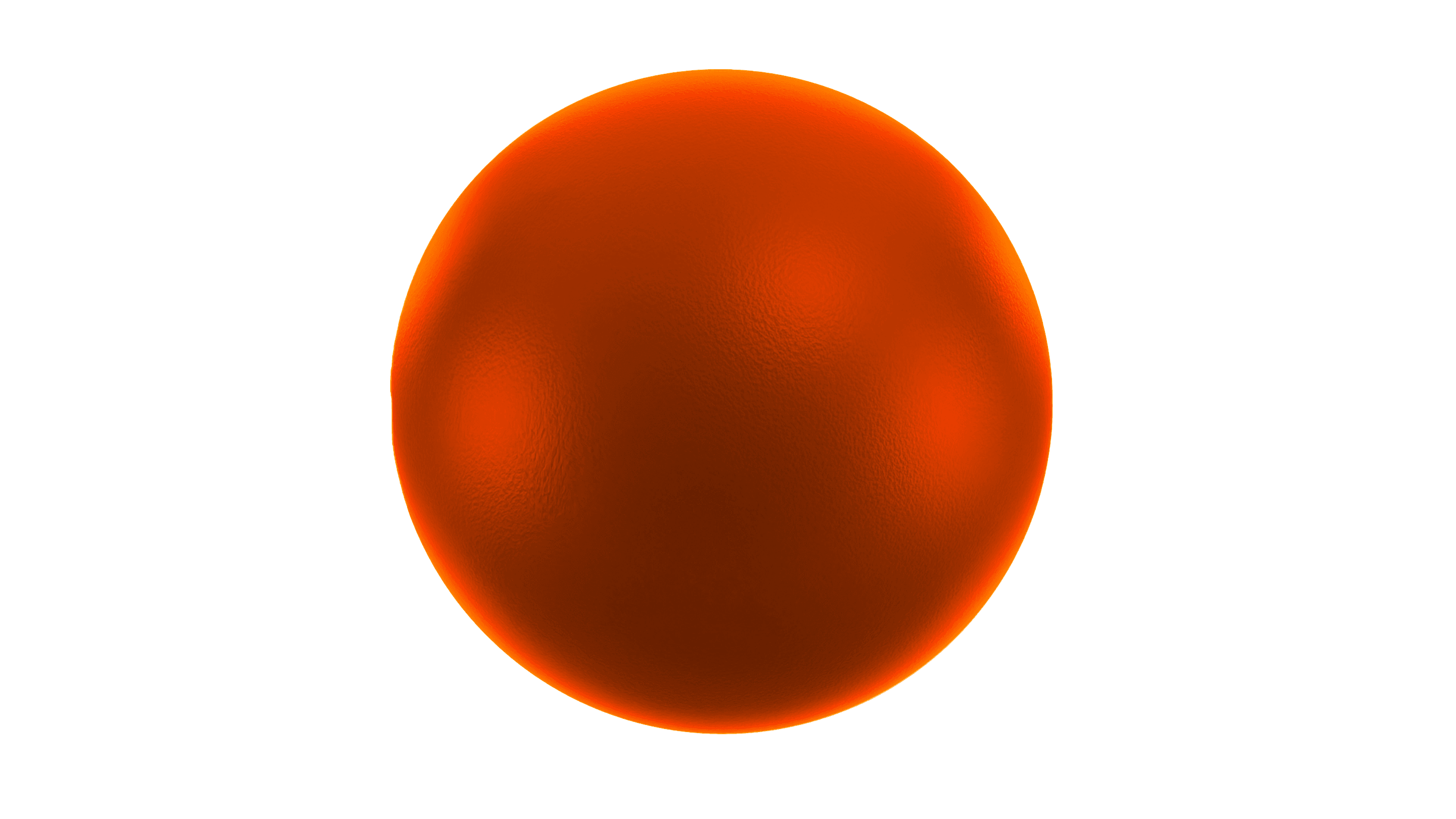
Usually the spraying distance is too great or the ambient temperature too low, so the paint dries in the air and no longer flows out on the surface. Check the distance, the temperature and the setting of your spray gun.
How do I avoid blisters and wrinkling?
Synthetic resin paints are oxidatively drying paints, i.e. drying takes place under the influence of atmospheric oxygen. It takes about 6 hours for the topmost layer to dry. After this time the paint should not be over-coated, because a further coat — and with it a further supply of solvents — makes the layers underneath swell. If a synthetic resin paint is over-coated with another type of paint, or with itself after it has cured, it lifts or forms wrinkles.
How do I remove so-called “blushed” paint?
The grey haze appears when painting was done at too high a humidity. It can be polished out once the paint layer has cured well (at least 2 weeks). At low humidity the optimum application temperature is between 20 and 25 °C.
04Shelf life, storage and disposal
How should I store my containers?
Cool, dry and frost-free, tightly sealed and protected from direct sunlight. Always reseal opened containers carefully and immediately.
How long do the individual containers keep?
Unopened and properly stored, the containers generally keep for several years.
How long can a 2K spray can be used?
Once the hardener is activated the pot life begins. The can must be used up within these 12 hours — after that the paint cures inside the can and it can no longer be applied.
05Colour, colour code and colour deviation
How do colour deviations arise in my paint finish?
Film thickness, spraying technique, gun setting and the substrate all influence the perceived colour — especially with metallic paints, where the orientation of the effect pigments is decisive. Always spray a test panel under identical conditions.
Where do I find the right colour for my aircraft?
In many cases the colour is recorded in the painting log or in the aircraft's documentation. If it is unknown — with vintage aircraft or individual projects, for instance — we will gladly read it out for you by spectral analysis.
How can I influence colour and brightness while painting?
Through film thickness and spraying distance: a thinner coat applied from a greater distance makes metallic shades look lighter, a heavier coat darker. For an optimal result, never depart from the recommended application steps.
06Spray gun: setting and cleaning
What can I use to clean my spray gun?
Universal thinner or a suitable gun cleaner, directly after use. Cured 2K paint can no longer be removed without residue later on.
What pressure and which nozzle should I paint with?
The best results are achieved with a 1.3 nozzle for base and clear coats and around 1.6 to 1.7 mm for primers, together with a pressure of about 3 bar at the spray gun.
Paint wiki
The key terms of a paint system — briefly explained.
- Adhesion primer
- Primer for bonding and corrosion protection — indispensable on bare metal and critical substrates.
- Filler
- Filling layer that levels fine unevenness and sanding marks in the substrate and is then sanded smooth.
- Base coat
- The colour-bearing layer of the paint system. It carries the shade and the effect, but always needs a clear coat as protection.
- Clear coat
- Transparent top layer. Available in matt and gloss. 2K clear coat protects the base coat from UV radiation, weather and chemicals.
- Hardener
- Second component of a 2K system. It cross-links the paint chemically and makes it more robust.
- Pot life
- The window in which a paint mixed with hardener remains workable, before it starts to cure in the container.
- Flash-off time
- Waiting time between two spray passes, during which the solvent can evaporate out of the freshly applied layer.
- Touch-dry
- The state in which the surface has dried but the paint build-up underneath has not yet cured all the way through.
- Spectral analysis
- Digital measurement of an existing colour sample in order to determine the exact shade and make it reproducible.